Spring always makes me crave lighter food. Fresh colors. Crunchy textures. Things that feel happy on a table. That’s why I love talking about spring charcuterie board ideas.
They sit right between snacks and spring recipes. No heavy cooking. No stress. Just seasonal ingredients arranged with intention.
You don’t need fancy boards or skills. You just need a clear idea and good balance.
I haven’t made these myself, but I’ve researched, studied patterns, and watched what actually works for spring entertaining, brunch tables, and casual family get-togethers.
Let’s break it down slowly so you can actually build one at home.
1. Fresh Fruit & Floral Spring Charcuterie Board
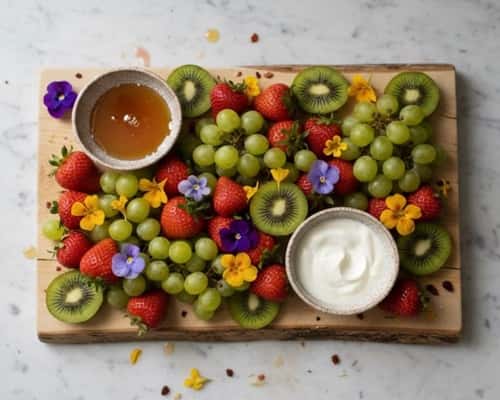
This one feels very spring without trying too hard. Light. Bright. A little imperfect.
How to build it:
Start with a medium wooden board or even a marble slab. Don’t overthink it. Place two small bowls first.
One bowl for honey or maple syrup. Another for a soft dip like vanilla yogurt or mascarpone mixed with a little sugar.
Now layer fruits. Use strawberries (keep the stems, looks real), green grapes, sliced kiwi, and orange segments.
Add apple slices last so they don’t brown too fast. I’d tuck them near the dip.
For florals, use edible flowers only. Nasturtiums, pansies, or rose petals. Scatter them lightly, not everywhere. This isn’t a garden explosion.
Add crunch with plain crackers or shortbread cookies. Keep them uneven. Straight lines looks fake sometimes.
It’s sweet, it’s fresh, and it works as a spring dessert board or brunch add-on. Honestly, it’s forgiving if you mess up.
2. Spring Veggie & Hummus Charcuterie Board
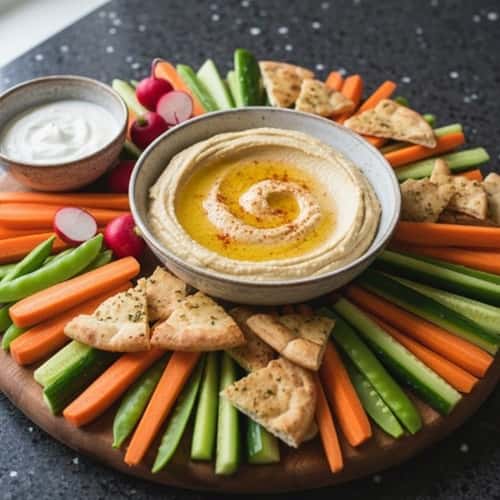
This one screams spring recipes without cooking anything. Also very parent-friendly.
How to build it:
Grab a rectangular board. Place one large bowl in the center for hummus. Plain hummus is fine.
You can swirl it with olive oil and paprika, don’t stress if the swirl is messy. Messy is good here.
Around it, arrange raw spring vegetables:
- Baby carrots (not perfectly peeled)
- Cucumber spears
- Radishes cut in halves
- Sugar snap peas
- Blanched asparagus tips (optional but nice)
Add a second small bowl with herbed yogurt dip or tzatziki. Put it off-center so the board feels relaxed.
For texture, add pita wedges or seeded crackers. Break some unevenly. Don’t make them match.
Finish with olives or pickles in one corner. Something briny balances the fresh veggies.
This board works for Easter lunch, spring parties, or even weeknight grazing. It’s simple, but not boring. Some days simple food hits harder.
3. Spring Cheese & Berry Charcuterie Board
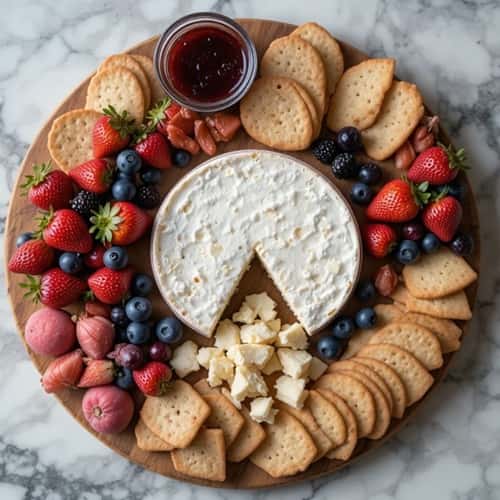
This one feels fancy but it’s actually very forgiving. Cheese does most of the work for you.
How to build it:
Start with a round board if you have one. If not, square works too. Place cheeses first. Use three types:
- Soft cheese like brie or camembert
- Semi-soft like gouda or havarti
- Crumbly like goat cheese or feta
Don’t cut all of them. Slice only one cheese so people know what to do.
Now add berries. Fresh strawberries (cut in halves), blueberries, and raspberries. Keep them in loose piles, not perfect rows. Berries roll, that’s fine.
Add something sweet. A small bowl of berry jam or honey works. Place it close to the brie.
For crunch, add water crackers or plain toast points. Lean them against cheese. If they fall, leave it. Real boards aren’t perfect and thats okay.
This board fits spring brunch, baby showers, or light dinners.
It feels like a recipe even without cooking. I haven’t tested it myself, but the combo is proven and safe.
4. Spring Picnic-Style Charcuterie Board
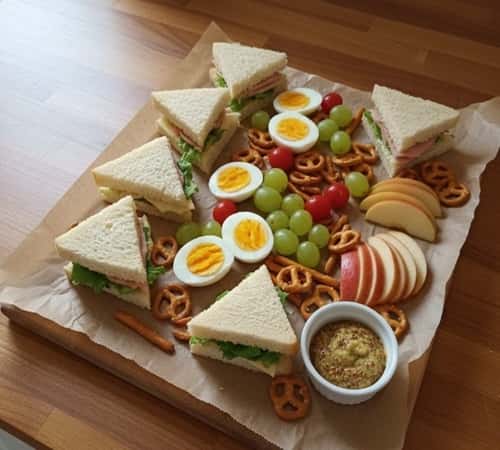
This one is casual. Slightly messy. Very spring picnic vibes.
How to build it:
Use a flat wooden board or tray. No raised edges needed. Place parchment paper under everything if you want easy cleanup.
Start with finger foods:
- Mini sandwiches (cut diagonally, fillings like cucumber + cream cheese or egg salad)
- Hard boiled eggs cut in halves
- Cherry tomatoes left whole
Add a small bowl of mustard or herb mayo. Put it near the sandwiches.
Now layer fresh elements. Apple slices, grapes, and sliced pears work well for spring. Keep fruit away from eggs so flavors don’t mix.
Add a handful of chips or pretzels last. Just toss them in one corner. Don’t overfill the board or it looks crowded and confusing.
This board works well for outdoor spring meals or casual family weekends.
It’s not polished. It’s food meant to be eaten, not stared at. I might be wrong, but casual boards get finished faster.
5. Spring Breakfast Charcuterie Board
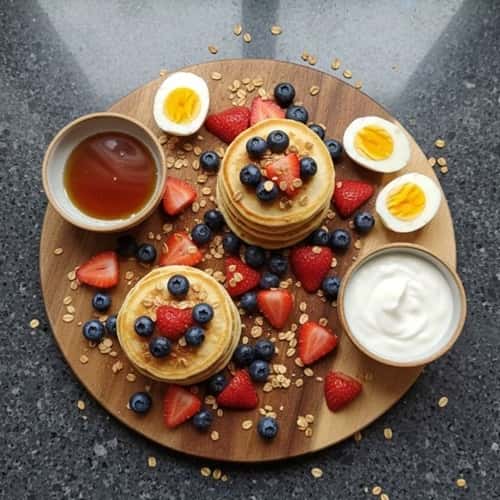
This one sits right between breakfast and brunch. Kids love it. Adults pretend they don’t but they do.
How to build it:
Use a large board because breakfast items spread fast. Start with small bowls first. One for maple syrup. One for fruit yogurt or whipped cream.
Add pancakes or waffles. Mini ones work best. Stack them slightly off-center. If edges look uneven, leave them. That’s real food.
Now add fresh spring fruits. Strawberries, banana slices, and blueberries are easy and familiar. Keep fruits near the syrup bowl so people naturally dip.
Add protein next. Hard boiled eggs or breakfast sausages work well. Place them on one side so sweet and savory don’t mix too much.
Finish with nuts or granola for crunch. Sprinkle loosely. Don’t aim for symmetry. Symmetry kills homemade vibes sometimes, I feel.
This works as a spring recipe idea for weekends or holidays. I haven’t made it, but I’ve seen enough tables to know it disappears fast.
6. Spring Mediterranean Charcuterie Board
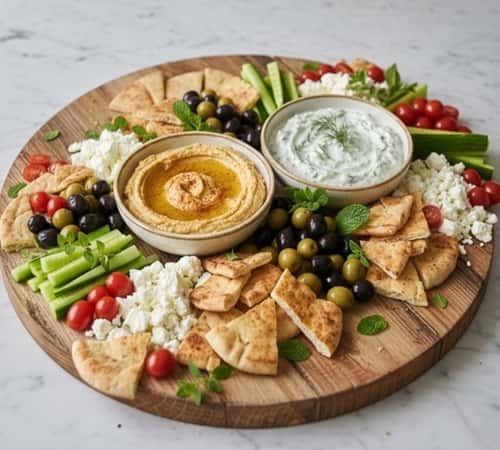
Fresh. Salty. Very spring-friendly without being heavy.
How to build it:
Start with a long board. Place three small bowls first:
- Hummus
- Tzatziki
- Olives
Space them out so the board feels balanced.
Add vegetables next. Sliced cucumbers, cherry tomatoes, and roasted red peppers (jarred is fine). Keep them grouped but not tight.
Add cheese. Feta cubes or slices of halloumi work well. Let some crumble naturally. Don’t clean it up too much.
For bread, use pita triangles or flatbread. Tear some pieces instead of cutting everything. It looks more relaxed and human.
Finish with lemon slices or fresh herbs like dill or parsley. Just a little. Overdoing herbs looks staged and weird.
This board fits spring lunches, Easter spreads, or light dinners. It counts as a spring charcuterie board idea and a no-cook spring recipe. Grammar might be off here but the food won’t be.
7. Spring Garden Herb Charcuterie Board
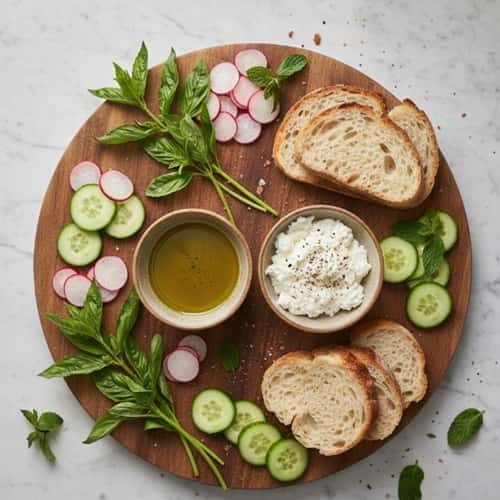
This board feels fresh in a quiet way. Not loud. Not busy. Just clean flavors.
How to build it:
Use a light-colored board or marble slab. Place two small bowls first. One for olive oil mixed with salt. Another for soft cheese like ricotta or cream cheese.
Now add fresh herbs. Think basil, mint, dill, and parsley. Don’t chop them. Keep them whole with stems. Lay them loosely across the board.
Add sliced vegetables next. Radishes, cucumbers, and baby carrots work well. Keep slices uneven. Perfect cuts look store-bought.
Add bread. Thin slices of sourdough or baguette. Toasted or plain, both are fine.
This board is about dipping and layering flavors. People pick herbs, dip in oil, spread cheese. It feels interactive. I haven’t tried it myself but it makes sense and thats enough sometimes.
8. Spring Sweet & Savory Mix Charcuterie Board
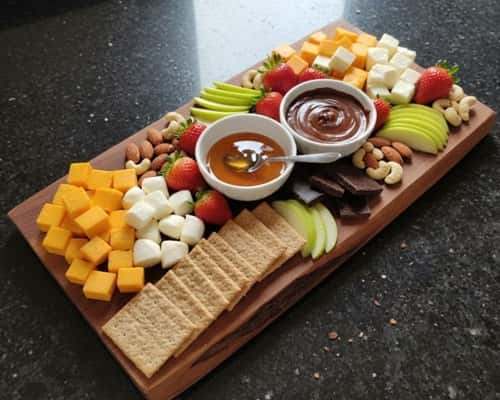
This one confuses people in a good way. Sweet. Salty. A little unexpected.
How to build it:
Start with a medium board. Place one bowl of chocolate spread or nut butter. Another bowl for honey or jam.
Add savory items first. Cheese cubes, crackers, and salted nuts. Keep them toward one side.
Now bring in sweet elements. Fresh strawberries, dried apricots, and apple slices. Scatter them lightly.
Add something crunchy like pretzels or wafer cookies. Let them overlap with fruit and cheese. Mixing zones makes it feel casual.
Finish with dark chocolate pieces. Break them by hand so edges are jagged. Don’t use a knife.
This board works great for spring evenings or casual gatherings. It’s not trying to be anything fancy. I might be wrong but boards that mix flavors get more attention.
9. Spring Citrus & Cream Charcuterie Board
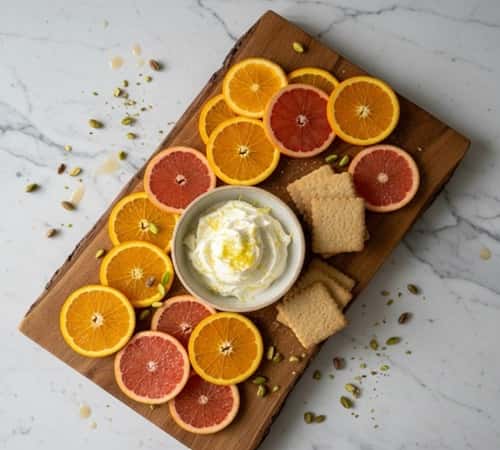
This board feels bright. Almost refreshing just by looking at it.
How to build it:
Use a simple flat board. Start with one medium bowl of sweetened cream cheese or mascarpone. Add a little lemon zest on top. Doesn’t have to be neat.
Now slice citrus fruits. Oranges, blood oranges, and grapefruit work well. Cut them into thin rounds or half-moons. Leave some rinds on, it looks natural.
Add something crunchy. Shortbread cookies or tea biscuits are perfect here. Place them close to the cream bowl.
Balance the board with a few nuts. Pistachios or almonds work. Don’t overdo it.
This board works as a light spring dessert or brunch side. It looks intentional but it’s very low effort. I haven’t made this personally, but citrus and cream never fight each other.
10. Spring Kids-Friendly Charcuterie Board
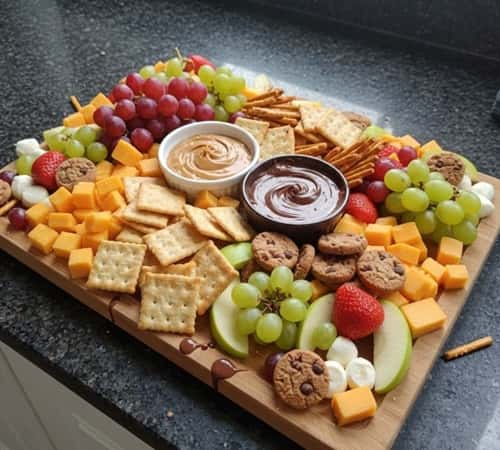
This one is practical. No fancy flavors. No drama.
How to build it:
Use a large tray with edges. Kids grab fast and things fall.
Start with familiar foods:
- Cheese cubes
- Crackers
- Grapes (cut if needed)
Add small bowls for dips. Ketchup, peanut butter, or chocolate spread. Place them far apart to avoid mixing chaos.
Add fruits next. Strawberries, apple slices, and banana rounds work well. Keep portions small so it doesn’t feel overwhelming.
Finish with a few treats. Mini cookies or marshmallows. Don’t overload sugar or parents will judge you silently.
This board fits spring parties, playdates, and casual family meals. It’s not elegant but it works. Grammar aside, kids eat this without complaints and thats a win.
11. Spring Bread & Spread Charcuterie Board
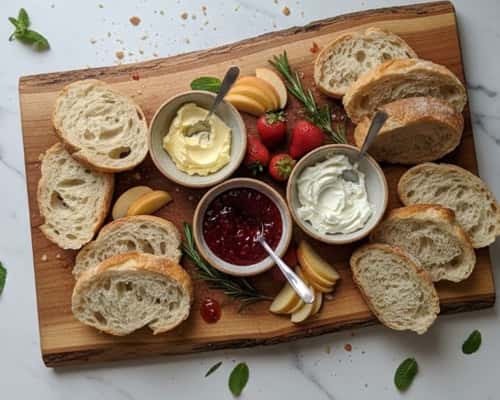
This board is simple but thoughtful. Bread does the talking here.
How to build it:
Pick a long wooden board. Place parchment paper first if your board stains easily. No shame in that.
Start with spreads. Use three small bowls:
- Butter (salted works best)
- Jam or fruit preserve
- Cream cheese or soft cheese spread
Place them spaced out, not in a straight line.
Now add bread. Sliced sourdough, baguette rounds, and even plain white bread is okay. Toast some, leave some soft. Variety matters more than perfection.
Add fresh spring extras. Strawberries, thin apple slices, or grapes. Keep fruit near the sweet spreads.
Finish with herbs like rosemary or thyme. Just lay them down. Don’t chop. This board feels calm and slow, like a spring morning should. I haven’t tested it myself, but bread boards rarely disappoint, ever.
12. Spring Green-Themed Charcuterie Board
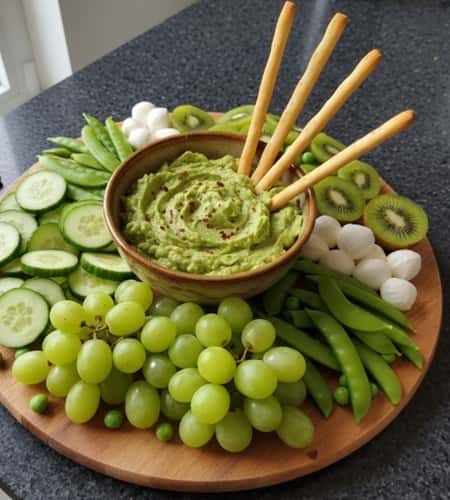
This one is about color. Green everywhere. Very spring.
How to build it:
Use a light board so the green pops. Start with one medium bowl of guacamole or avocado dip. Place it slightly off center.
Add green foods next:
- Cucumber slices
- Green grapes
- Sugar snap peas
- Kiwi slices
Keep everything loose. Don’t line things up. Nature isn’t organized and this board shouldn’t be either.
Add cheese. Mozzarella balls or mild cheese cubes work well here. White balances green nicely.
For crunch, add crackers or breadsticks. Lean them against the dip bowl.
Finish with fresh herbs or lime wedges. This board looks fresh even if it’s messy. I might be wrong, but green boards photograph well even with bad lighting.
13. Spring Tea-Time Charcuterie Board
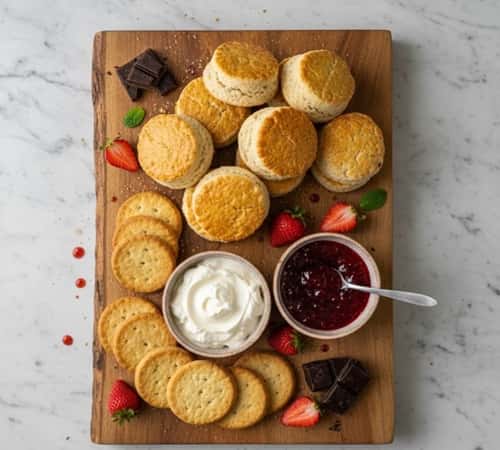
This board feels soft. Quiet. Almost slow.
How to build it:
Use a smaller board. Tea-time boards don’t need to be huge. Start with a small bowl of clotted cream or whipped cream cheese. Place it slightly to one side.
Add baked items next. Tea cakes, scones, or plain biscuits work well. Don’t stack them perfectly. Let crumbs show. Crumbs make it real.
Now add fruits. Strawberries, sliced pears, or grapes. Keep fruit portions light so it doesn’t feel heavy.
Add one small bowl of jam or marmalade. Place it near the cream so people naturally combine.
Finish with a few nuts or dark chocolate pieces. Not too much. This board is about balance and calm. I haven’t made it myself, but it feels like something spring afternoons were meant for.
14. Spring Farmers Market Charcuterie Board
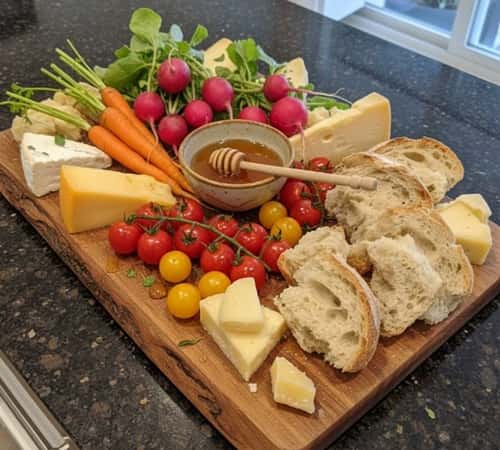
This one looks like you just came back from the market and dumped everything out. That’s the charm.
How to build it:
Use your biggest board or tray. Start with no bowls at all. Just place items directly first.
Add seasonal produce. Radishes with stems, carrots with tops, cherry tomatoes, apples. Don’t peel or over-trim. Leave them slightly dirty-looking (washed, obviously).
Add cheese next. A simple block cut into rough slices is fine. Precision is overrated here.
Now add bread. Crusty bread torn by hand. Not cut. Torn.
Add one small bowl at the end with honey or mustard. Tuck it into a corner like an afterthought.
This board feels alive. It feels like spring recipes without a recipe. Grammar aside, this board tells a story and thats why it works.
Final Thoughts
Here’s something people don’t talk about enough. Charcuterie boards are not about copying pictures.
They’re about understanding balance. Fresh vs creamy. Crunchy vs soft. Sweet vs savory. Once you get that, any spring charcuterie board ideas become easier.
You stop overthinking. You start using what you already have. Spring recipes don’t always need heat or instructions or perfection.
Sometimes they just need good ingredients and permission to look imperfect. And honestly, the boards that look a little wrong are usually the first ones empty.