Look, I’ve burned my fair share of rotis and turned naan into hockey pucks.
But here’s the thing about Indian Bread Recipes – once you nail them, your family won’t shut up about it. These aren’t your typical bread ideas you’ll find everywhere.
I’m talking about the stuff that makes your kitchen smell like heaven and has your kids actually eating their dinner without complaint.
1. Tandoori Roti with Ghee Pockets (The Game-Changer)
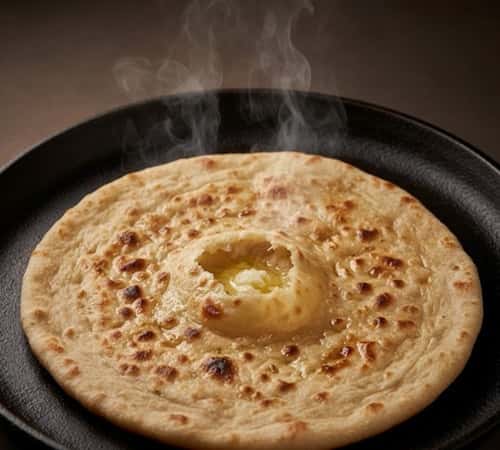
Forget what you know about plain tandoori roti. I stumbled onto this technique after watching my neighbor’s mom cook, and it completely changed how I approach flatbread.
You’re going to create little ghee pockets inside the dough, which melt as the roti cooks, creating these incredible buttery explosions with every bite.
Here’s how you do it: Mix 2 cups whole wheat flour with a pinch of salt and enough warm water to form a soft, pliable dough – think Play-Doh consistency but less toxic.
Knead for 8-10 minutes until your forearms burn a little. Let it rest for 30 minutes under a damp cloth.
Now here’s the twist – when you roll out each roti, place a small dollop of ghee (about half a teaspoon) in the center, fold the edges over to seal it, then roll it out again gently. The ghee stays trapped inside.
Bake these on a hot tawa or cast-iron skillet. You want medium-high heat. Slap it on there and wait for bubbles to form – about 30 seconds.
Flip it and press the edges with a cloth. Watch it puff up like a balloon. That’s when you know you’ve made it, my friend.
The ghee inside creates steam, giving you the most fluffy bread texture imaginable.
The beauty of this technique? Your rotis stay soft for hours, not just minutes. I’ve packed these for my kids’ lunch boxes and they’re still pliable by noon.
2. Missi Roti with Caramelized Onions (The Protein Powerhouse)
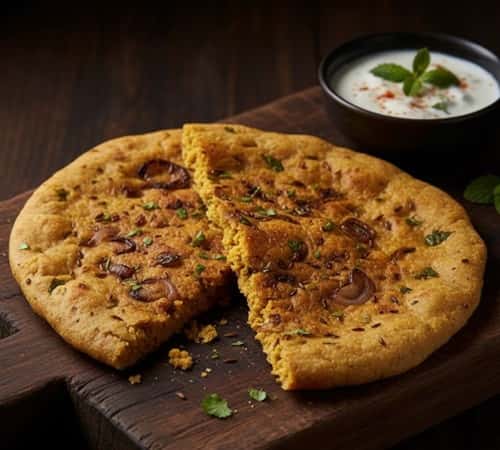
Missi roti is what happens when gram flour meets whole wheat and they decide to party with spices. But everyone makes it the same boring way. Not you. Not anymore.
I add caramelized onions directly into my dough, and it’s a total revolution. Caramelize two large onions in a tablespoon of oil – low and slow for about 20 minutes until they’re brown and sweet. Let them cool completely.
Mix 1 cup besan (chickpea flour) with 1 cup wheat flour, half teaspoon turmeric, one teaspoon cumin seeds, chopped cilantro, green chilies, and those caramelized onions.
Add water gradually. This dough will be slightly sticky because of the onion moisture – that’s perfect.
Roll them thicker than regular rotis, about quarter-inch thick. Cook on both sides with generous ghee or oil.
The onions create little crispy bits that are absolute flavor bombs. These flatbreads pack serious protein from the gram flour and keep you full for hours.
My teenage son, who usually inhales food without tasting it, actually stopped and asked what I did differently. That’s when you know you’ve created something special.
3. Lachha Paratha with 99 Layers (The Show-Off Special)
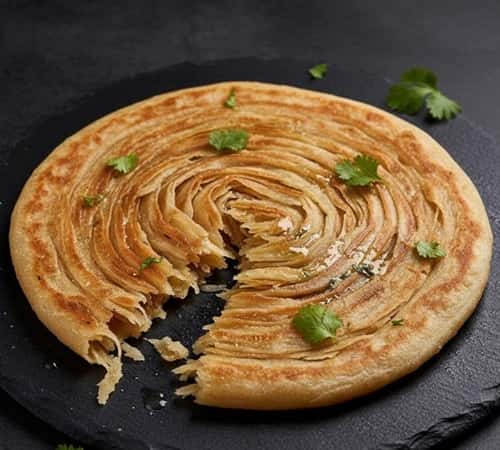
Lachha paratha is the bread equivalent of peacocking. You make this when you want everyone to know you’ve got skills.
The name means “layers” in Hindi, and we’re going for maximum drama here.
Make a basic dough with 2 cups all-purpose flour, a pinch of salt, one tablespoon oil, and warm water.
Knead until smooth – shouldn’t take more than 5 minutes. Rest it for 20 minutes.
Now roll out a thin circle, about 12 inches in diameter. Brush generously with melted ghee. Sprinkle a little flour on top.
Here’s where it gets fun. Cut from the center to the edge – one straight line. Starting from one cut edge, roll the dough into a cone shape, working your way around the circle.
You’ll end up with a cone-shaped spiral. Press the tip into the base, flip it over, and roll it out gently into a thick paratha. Those spirals create the layers.
Cook on medium heat with ghee, pressing the edges so all those layers separate and puff up.
Each bite should shatter into flaky pieces. I’ve made these for dinner parties and people literally take photos before eating them.
The technique looks complicated but it’s actually forgiving. Even if your spirals aren’t perfect, you’ll still get impressive layers.
4. Stuffed Kulcha with Paneer and Herbs (The Crowd-Pleaser)
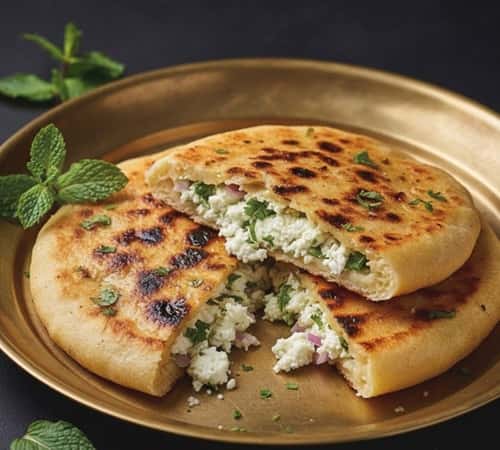
Kulcha is that puffy, leavened bread you get at restaurants and think you can’t make at home. Wrong.
You absolutely can, and your version will be better because you’ll stuff it with whatever your family actually likes.
Mix 2 cups all-purpose flour with half teaspoon baking powder, quarter teaspoon baking soda, one tablespoon yogurt, one teaspoon sugar, and salt.
Add enough warm water to make soft dough. This needs to rest for 2-3 hours, covered.
The leavening agents and yogurt create a fluffy texture without yeast – perfect for impatient people like me.
For the filling: crumble 200g paneer, add chopped mint, coriander, finely diced onions, green chilies, garam masala, and a pinch of amchur (dry mango powder).
This combination is incredible. Roll out the dough, stuff it generously, seal it, and roll it out again carefully so the filling doesn’t burst through.
Cook on a hot tawa, then finish directly on the flame using tongs. Watch it puff and char slightly. Brush with ghee. These kulchas are substantial enough to be a meal on their own.
I make these on weekends when I’ve got time, and my wife always asks why I don’t make them more often. Because they’re too good, and we’d all gain 20 pounds, that’s why.
5. Makki di Roti with Jaggery (The Rustic Warrior)
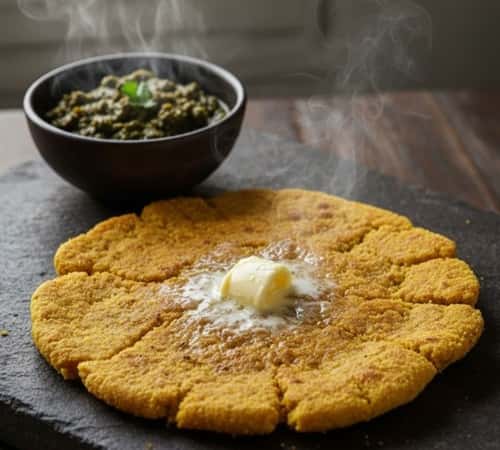
Makki di roti (cornmeal flatbread) is intimidating. Cornmeal doesn’t have gluten, so it cracks and falls apart if you look at it wrong. But I’ve cracked the code – literally and figuratively.
The secret? Add grated jaggery to the dough. I know, sounds weird. Trust me on this one. Mix 2 cups cornmeal with 2 tablespoons grated jaggery, salt, and a tablespoon of ghee.
Pour boiling water over this mixture – not warm, BOILING. The hot water partially cooks the corn, making it pliable. Mix with a spoon until cool enough to handle, then knead briefly.
This dough won’t be smooth. It’ll be grainy and look like it might fall apart. That’s normal.
Take a small ball, place it between two plastic sheets (cut up a ziplock bag), and pat it out with your fingers into a thick circle. The plastic prevents sticking and cracking.
Cook on high heat with plenty of ghee. The jaggery adds subtle sweetness that plays beautifully with the corn’s earthiness.
These pair perfectly with sarson da saag, but honestly, I eat them with butter and call it breakfast.
My daughter, who hates anything “healthy,” demolishes these. The slight sweetness does the trick.
6. Methi Thepla with Yogurt Marinade (The Travel Buddy)
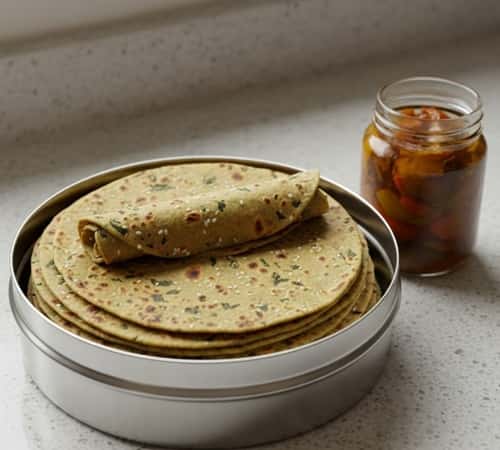
Theplas are the Indian flatbread that actually improves with age. They stay soft for days, making them perfect for road trips, flights, or when you’re too lazy to cook tomorrow.
Everyone adds fresh fenugreek leaves (methi) to the dough. I marinate them first in yogurt with a pinch of turmeric and chili powder for 20 minutes. This removes the slight bitterness from methi and adds tang. Game changer.
Mix 2 cups whole wheat flour with your marinated methi (about one cup packed leaves), one tablespoon yogurt, one teaspoon ginger paste, half teaspoon turmeric, cumin seeds, sesame seeds, a pinch of asafoetida, salt, and two tablespoons oil. Use very little water – the yogurt and methi provide moisture. Knead into soft dough.
Roll thin – thinner than rotis. Cook on medium heat with minimal oil. The thinner they are, the longer they last.
Stack them up and store in an airtight container. I’ve kept these for a week in the fridge without issues.
These saved me on a 14-hour drive to Goa. My kids snacked on theplas with pickle while I focused on not losing my mind in traffic.
7. Roomali Roti (The Handkerchief Trick)
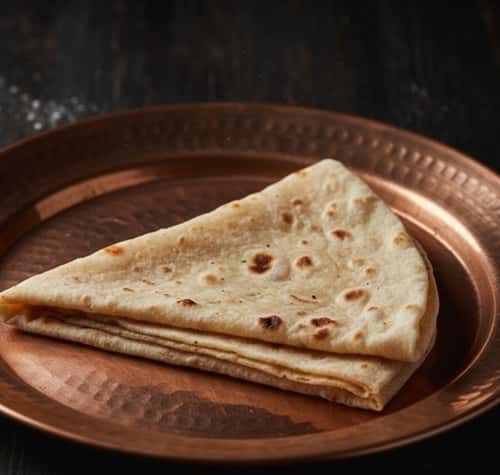
Roomali roti means “handkerchief bread” because it’s thin enough to be transparent. Making these feels like a circus act, and I mean that as a compliment.
You need a super elastic dough. Mix 1 cup all-purpose flour with 1 cup whole wheat flour, one tablespoon oil, and enough milk (not water – milk adds elasticity) to form soft dough.
Knead for at least 10 minutes. Your arms will hate you. Cover and rest for an hour minimum.
Here’s the theatrical part: roll the dough very thin, then stretch it further by draping it over your knuckles and rotating it.
You’re essentially tossing it like pizza dough but gentler. You want it almost translucent. Cook on an inverted wok or a large tawa on high heat for literally 15 seconds per side.
These require practice. My first five attempts looked like abstract art, not bread.
But when you nail it, you feel like a superhero. Fold them into triangles and serve with kebabs or spicy curries.
Pro tip: make the dough in the morning and use it in the evening. The long rest makes stretching much easier.
8. Bajra Roti with Garlic Butter (The Winter Warmer)
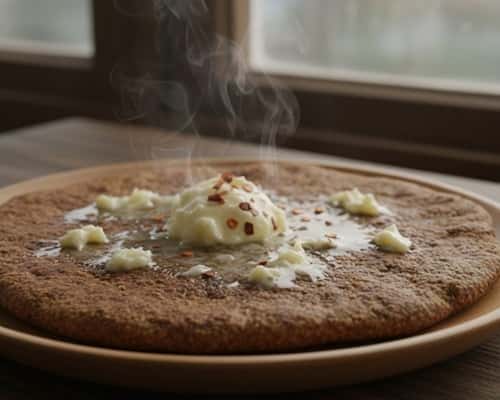
Bajra (pearl millet) roti is a winter staple in Rajasthan, and for good reason.
It’s got this nutty, earthy flavor that’s perfect for cold weather. But plain bajra roti can be dry and boring.
Enter: garlic butter. Not mixed into the dough – that would be too easy.
I make a compound butter with roasted garlic, kashmiri chili flakes, and fresh coriander, then slather it on the hot roti the second it comes off the flame.
For the roti: 2 cups bajra flour, a pinch of salt, and hot water. This dough is even more temperamental than makki.
Add enough hot water to bring it together, knead briefly, and use immediately while warm.
Roll between plastic sheets because this will crack if you breathe on it wrong. Make them thick – about quarter inch.
Cook on medium-high heat, pressing down with a cloth. These need pressure to cook through. The moment you remove them, spread that garlic butter generously. The heat melts it into every crack and crevice.
These rotis stick to your ribs in the best way possible. Perfect with dal or any spicy curry.
My dad, who’s impossible to impress, admitted these were better than what he grew up eating.
9. Peshawari Naan with Dried Fruits (The Sweet Surprise)
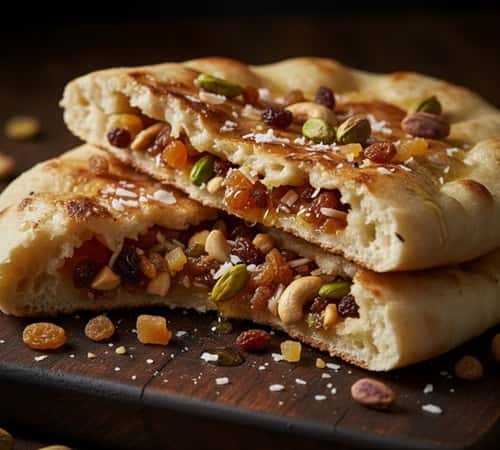
Peshawari naan is dessert pretending to be bread. It’s got nuts, dried fruits, and just enough sweetness to make you question everything you know about Indian bread.
Make a standard naan dough: 2 cups all-purpose flour, half cup yogurt, one teaspoon sugar, half teaspoon baking powder, quarter teaspoon baking soda, two tablespoons oil, warm milk as needed. Knead until soft and let it rest for 2 to 3 hours covered. The long rest is crucial for that pillowy texture.
For the filling: finely chop cashews, almonds, raisins, and dried coconut. Add a tablespoon of jaggery or sugar and a pinch of cardamom. This mixture should be slightly sticky. Stuff each naan generously, seal it, and roll out carefully.
Here’s my hack: I don’t have a tandoor (who does?). I bake these in a screaming hot oven at 260°C (500°F) on a preheated pizza stone or heavy baking sheet for 4-5 minutes. Brush with melted butter when they come out.
The dried fruits caramelize slightly, creating pockets of sweetness against the buttery bread. These are dangerous – I’ve eaten three in one sitting and regretted nothing.
10. Taftan with Saffron and Milk (The Royal Treatment)
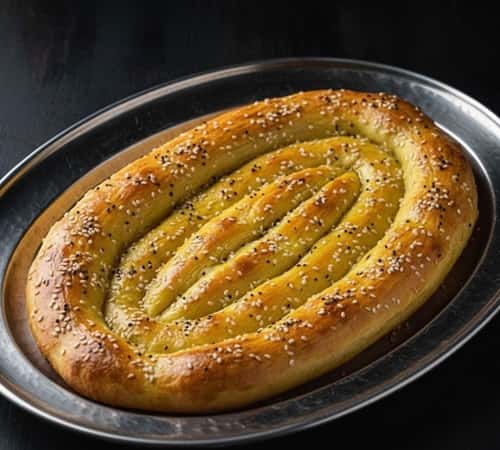
Taftan is what Persian royalty probably ate while lounging on silk cushions. It’s enriched bread that’s slightly sweet, fragrant with saffron, and way easier than it sounds.
Soak a generous pinch of saffron threads in 2 tablespoons warm milk for 15 minutes.
Mix 2 cups all-purpose flour with half teaspoon baking powder, quarter teaspoon baking soda, one tablespoon sugar, half cup yogurt, two tablespoons ghee, and that saffron milk.
Add more warm milk to form soft dough. The saffron gives it this gorgeous golden color.
Rest for 2 hours. Roll into thick ovals, prick all over with a fork (prevents puffing), brush with milk, and sprinkle with poppy seeds or sesame seeds. Bake at 200°C (400°F) for 12-15 minutes until golden and puffy around the edges.
These breads are slightly sweet, aromatic, and pair incredibly well with rich curries or kebabs. The saffron aroma fills your kitchen and makes everything feel fancy.
I made these for a dinner party once, and everyone assumed I’d ordered from an expensive restaurant. Nope, just me and my oven pretending to be fancy.
11. Akki Roti with Vegetables (The South Indian Twist)
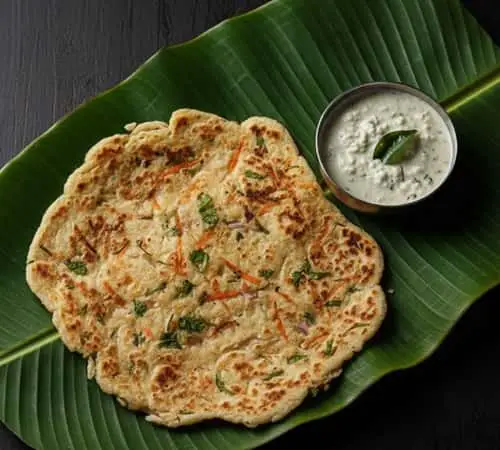
Akki roti is Karnataka’s answer to flatbread, made with rice flour. But calling it a roti is underselling it – it’s more like a loaded vegetable pancake disguised as bread.
Take 2 cups rice flour and add grated carrots, finely chopped onions, coriander, curry leaves, grated coconut, green chilies, cumin seeds, and salt.
No dough formation here – just add enough water to make a thick, spreadable mixture. Think thick pancake batter consistency.
Heat a tawa, oil it well, take a large ball of this mixture, and pat it out directly on the tawa with wet fingers.
Work quickly and make it about quarter-inch thick. Drizzle oil around the edges. Cook until crispy on both sides.
These are incredibly forgiving because there’s no gluten to worry about.
They’re crispy on the outside, soft inside, and packed with vegetables. My kids eat these thinking they’re getting away with something, not realizing they’re consuming half their daily vegetable requirement.
The coconut adds richness and helps bind everything together. Without it, these can fall apart – don’t skip it.
12. Bhatura with Yogurt Fermentation (The Puffy Cloud)
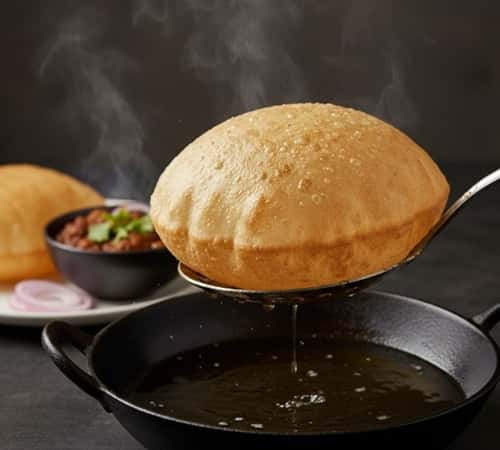
Bhatura is the deep-fried puffed bread that pairs with chole (chickpea curry), and it’s pure magic. Most recipes use yeast or baking powder.
I use overnight yogurt fermentation, which gives better flavor and makes them lighter.
Mix 2 cups all-purpose flour with 1 cup thick yogurt, one tablespoon sugar, half teaspoon baking soda, salt, and two tablespoons oil.
Knead into soft dough and refrigerate overnight (8-12 hours). The yogurt ferments slightly, creating natural leavening and a subtle tang.
Next day, bring the dough to room temperature. Roll into thick circles – about 6-7 inches diameter. Heat oil for deep-frying to 180°C (350°F).
Slide in the bhatura and immediately splash hot oil on top with a spoon. This makes it balloon up dramatically.
They should puff into giant golden clouds in seconds. Drain on paper towels. These are best eaten immediately – they deflate as they cool but still taste incredible.
Sunday brunch at my house means chole bhature, and my wife has banned me from making them on weekdays because we can’t stop eating. That’s the kind of bread we’re talking about here.
Final Thoughts
The thing about Indian flatbreads is they’re not just carbs – they’re the centerpiece that brings a meal together.
I’ve noticed that when I put effort into the bread, even a simple dal becomes special.
Your hands will develop muscle memory for kneading, your tawa will season perfectly, and eventually, you’ll stop measuring and just know when the dough feels right.
Start with the simpler ones like tandoori roti or thepla, and work your way up to roomali or bhatura when you’re feeling brave.
The beauty of baking and cooking these breads is that even your failures taste pretty damn good.
And here’s something nobody tells you: making bread by hand is weirdly therapeutic after a stressful day – something about that repetitive kneading clears your head better than meditation ever could.