I’ve cooked a lot of rib recipes over the years, but this Asian pork ribs recipe keeps sneaking back onto my dinner table.
Maybe it’s the sticky tamarind glaze. Maybe it’s the little blast of charred orange and toasted sesame at the end.
Or maybe because the ribs turn ridiculously tender without needing a smoker or fancy tricks.
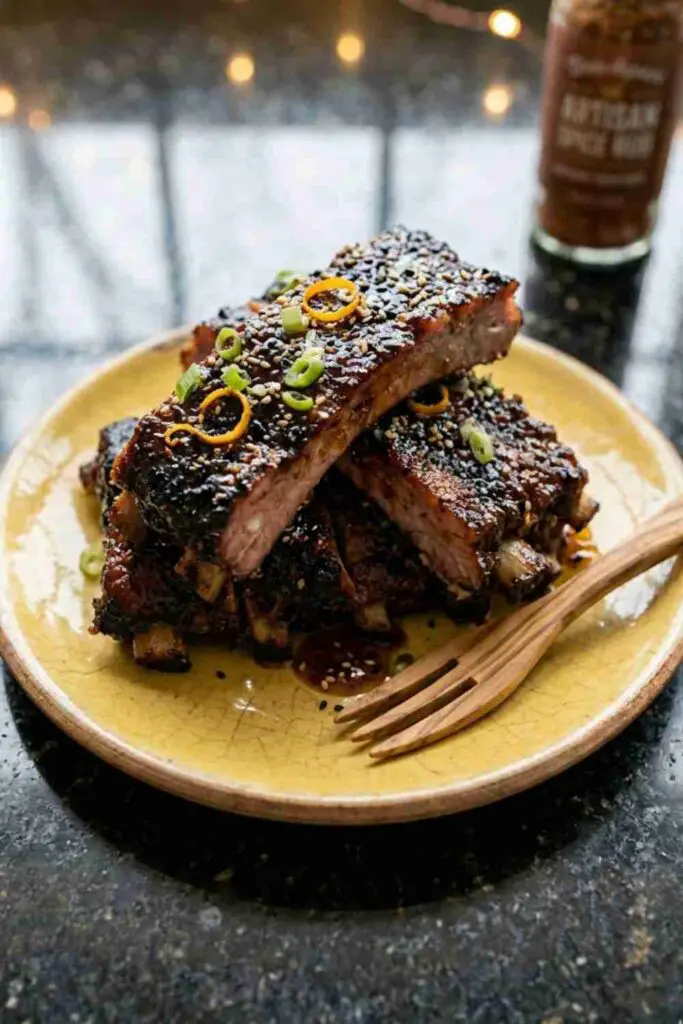
These are somewhere between comforting homemade food and those glossy restaurant-style sticky ribs everybody fights over at dinner. The best part? You dont need complicated equipment.
Just patience, a hot oven, and a tray full of messy, bubbling sauce that smells honestly unbelievable halfway through cooking.
Why This Asian Pork Ribs Recipe Is Different
Most recipes lean super sweet or overly salty. I wanted balance. So this version uses:
- Tamarind for a deeper tangy flavor
- Fresh orange zest instead of plain sugar-heavy glaze
- Roasted garlic mashed into the sauce
- Slow oven roasting for juicy meat
- A sticky finish without making the ribs candy-like
The result feels bold but homemade. Not too polished. Not trying too hard either.
Ingredients Needed To Make Sticky Asian Pork Ribs
For the Pork Ribs
- 2 racks baby back pork ribs
- 2 teaspoons salt
- 1 teaspoon cracked black pepper
- 1 teaspoon smoked paprika
- 1 teaspoon Chinese five spice
- 1 tablespoon neutral oil
- 1 teaspoon garlic powder
For the Sticky Tamarind Orange Glaze
- 1/3 cup soy sauce
- 1/4 cup dark brown sugar
- 2 tablespoons honey
- 2 tablespoons tamarind paste
- 3 tablespoons hoisin sauce
- 5 garlic cloves
- 1 tablespoon grated ginger
- Zest of 1 orange
- Juice of half an orange
- 1 teaspoon sesame oil
- 1 teaspoon chili flakes
- 1 tablespoon rice vinegar
For Finishing
- Toasted sesame seeds
- Thin sliced green onions
- Tiny squeeze of lime
- Fresh orange zest
Step 1: Prep The Ribs Properly
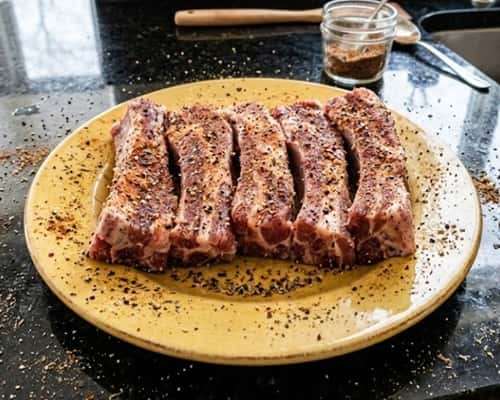
Take the pork ribs out of the fridge about 25 minutes before cooking. Cold ribs straight into the oven cook uneven sometimes.
Flip the rack over. You’ll notice a thin silver membrane on the back. Slide a butter knife underneath it and pull gently using a paper towel for grip. This matters more than people think. If you leave it on, the ribs gets chewy.
Pat everything dry really well.
Now mix together:
- Salt
- Pepper
- Smoked paprika
- Chinese five spice
- Garlic powder
Rub the oil all over the ribs first, then massage the seasoning into every corner. Don’t rush this part. The seasoning layer creates flavor before the glaze even touches the meat.
Let the ribs sit while the oven heats.
Step 2: Slow Bake For Tender Meat
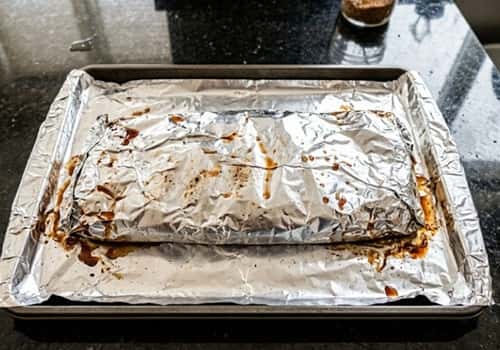
Preheat your oven to 300°F (150°C).
Line the baking tray with foil. Place the ribs meat-side up. Add 3 tablespoons water around the tray so the environment stays moist while baking.
Cover tightly with another layer of foil. Tight means tight. Steam is what helps soften the ribs slowly.
Bake for 2 hours.
Yep, two full hours. This is where the magic starts happening.
About halfway through, your kitchen will smell sweet, savory and slightly citrusy even before the glaze enters. It’s honestly unfair.
The ribs should bend slightly when lifted with tongs after baking. Not falling apart though. You still want structure.
Step 3: Roast The Garlic For The Sauce
While the ribs bake, toss the garlic cloves into a small pan over low heat with a tiny splash of oil.
Cook until soft and lightly golden. Not burnt. Burnt garlic ruins everything fast.
Mash the garlic with a fork until almost paste-like.
This tiny step changes the entire sauce. Raw garlic can feel harsh sometimes, but roasted garlic melts into the glaze and makes the flavor richer.
I learned this accidentally years ago when I overcooked garlic for noodles. Weird mistake. Amazing outcome.
No regrets there honestly.
Step 4: Make The Sticky Tamarind Orange Glaze
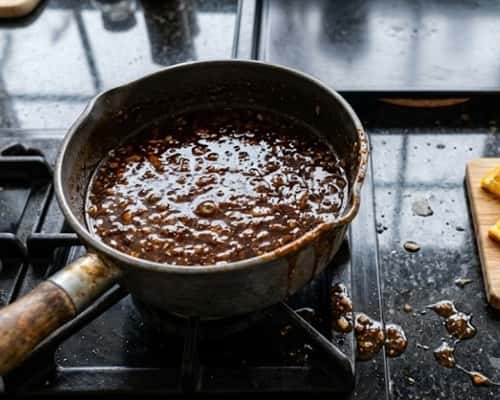
In a saucepan combine:
- Soy sauce
- Brown sugar
- Honey
- Tamarind paste
- Hoisin sauce
- Mashed roasted garlic
- Ginger
- Orange zest
- Orange juice
- Sesame oil
- Chili flakes
- Rice vinegar
Simmer over medium-low heat for about 8 minutes.
The sauce should thicken slightly but still pour easily. It gets thicker later in the oven, so don’t panic if it looks loose.
Taste it carefully.
Want more heat? Add chili flakes.
Need brightness? Tiny squeeze of lime helps alot.
Too salty? Add a spoon of honey.
The flavor should hit sweet, savory, tangy and smoky all together. That’s what makes this sticky Asian ribs recipe stand out.
Step 5: Glaze The Ribs
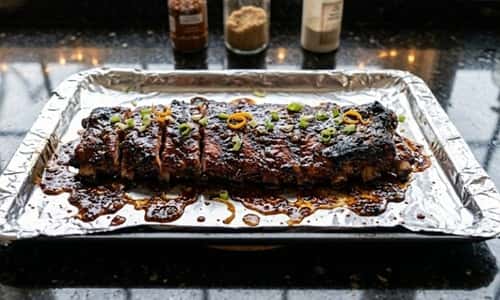
After taking the ribs out of the oven, carefully remove the cover. Watch for steam. It escapes aggressively sometimes.
Brush a generous layer of glaze all over the ribs.
Not a thin layer either. Be dramatic with it.
Return uncovered ribs to the oven at 425°F (220°C) for 12 minutes.
Pull them out. Add more glaze.
Bake another 8 to 10 minutes until bubbling and sticky around the edges.
The sugars caramelize here and create that gorgeous lacquered finish people associate with restaurant-style Asian pork ribs in the oven.
Some darker spots are good. That’s flavor.
Step 6: Rest Before Slicing
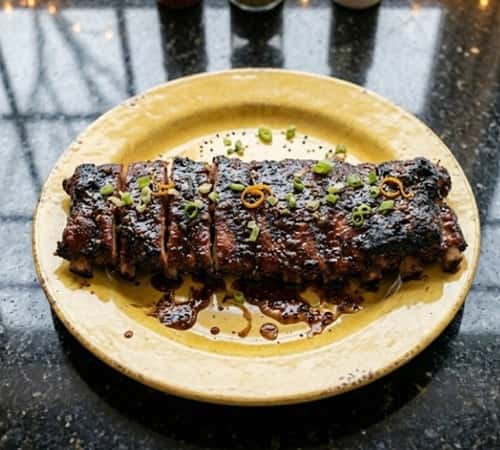
This part gets skipped alot. Don’t skip it.
Let the ribs rest for 8 minutes before slicing.
Why? Because the juices settle back into the meat instead of flooding your cutting board.
Use a sharp knife and slice between each rib bone slowly. If the ribs resist slightly, that’s perfect. Falling-off-the-bone ribs are actually often overcooked.
You want tender with a little bite left.
Sprinkle:
- Sesame seeds
- Green onions
- Orange zest
- Tiny squeeze lime
The fresh toppings wake up the heavy sticky glaze beautifully.
Step 7: Serve Them Hot
These ribs pair beautifully with:
- Garlic jasmine rice
- Chili noodles
- Pickled cucumber salad
- Charred bok choy
- Crispy smashed potatoes
I actually love serving them family-style right in the middle of the table. People grab with their hands anyway eventually.
And honestly? The sticky glaze tastes even better the next day.
Cold rib straight from the fridge at midnight? Weirdly incredible.
How To Store And Reheat
Store leftovers in an airtight container up to 4 days.
To reheat:
- Cover loosely with foil
- Bake at 325°F for 15 minutes
- Add extra glaze if needed
Microwave works too, but oven reheating keeps the sticky texture better.
You can even freeze them for around 2 months.
Final Thoughts
A really good Asian pork ribs recipe shouldn’t taste one-dimensional.
That’s the problem with many sticky rib recipes online. They rely on sugar for excitement and forget balance completely.
Tamarind changes that here because it brings sharpness without making the glaze sour. The orange lifts the heavier soy and hoisin notes too.
Tiny details matter more than expensive ingredients honestly. Also, cooking ribs slowly in the oven teaches patience in a weirdly satisfying way.
You start with something tough and plain-looking, then hours later it transforms into this glossy, deeply savory dinner that feels comforting instead of overly styled. That’s the kind of food people remember.