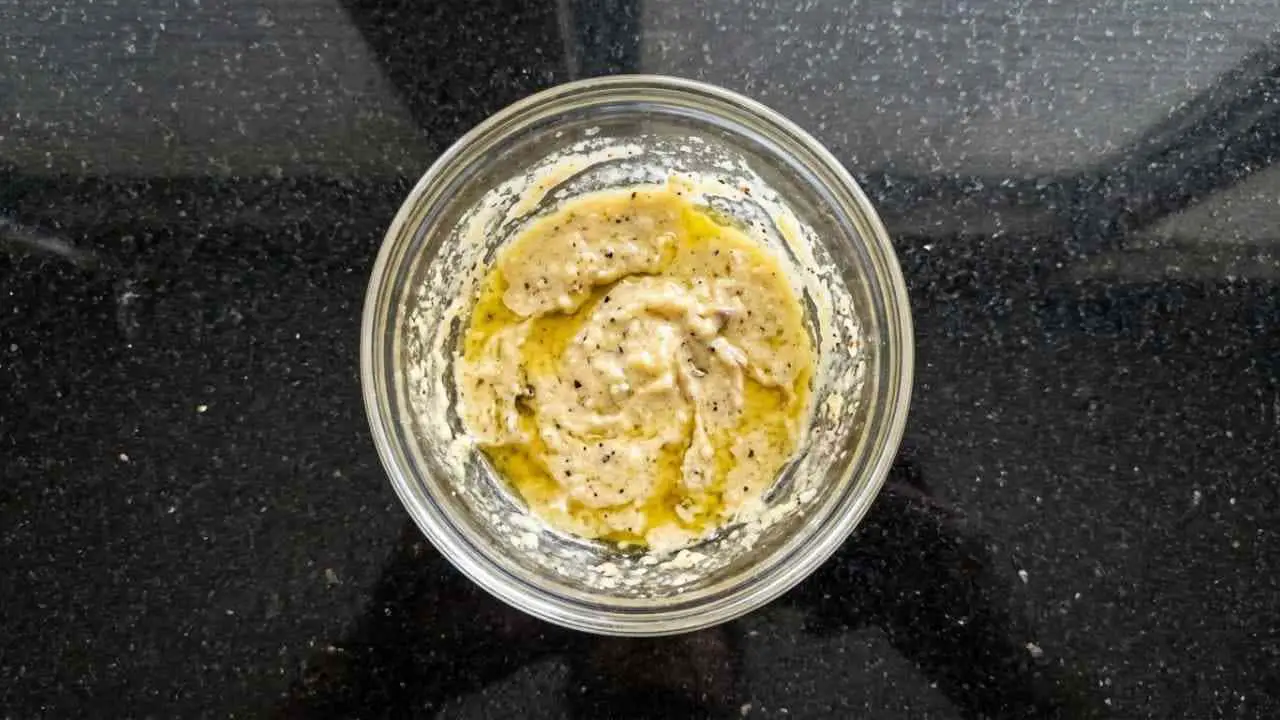
Rajasthani Kadhi is a flavorful, tangy, and creamy dish that perfectly complements rice or chapati.
In this blog post, I’ll walk you through Priyanka’s step-by-step process of making this delicious Rajasthani specialty from her YouTube channel Shaam Rasoi .

Along the way, I’ll also recommend some handy kitchen tools and ingredients to make your cooking experience smoother and more enjoyable.
Quick Note: While this video is in Hindi language, for those who are unable to get what ingredients or steps are being mentioned I have laid down (broken down) the steps into proper step-by-step guide form below.
Let’s dive right into the Rajasthani recipe.
Watch the Full Video Tutorial Below and for complete step-by-step handholding and instructions click here:
Before Cooking – Choose Your Yogurt Type For This Recipe
Make Using Lactose Free Yogurt | Make Using Regular Yogurt
Affiliate Disclosure: Kitchen tools and ingredients mentioned in this post have been carefully selected based on years of professional experience. Some links above and within the article are affiliate links, meaning I earn a small commission if you make a purchase. Rest assured, I only suggest or recommend kitchen essentials or things I use and trust in my own kitchen.
Ingredients Needed To Make Rajasthani Kadhi Recipe
For the Kadhi Base:
- Yogurt: 1½ cups (preferably fresh and not too sour)
- Red Chili Powder: ½ teaspoon
- Turmeric Powder: Less than ¼ teaspoon
- Salt: 1 teaspoon (adjust as needed)
- Besan (Gram Flour): 4 teaspoons
- Water: Approximately 4 cups (adjust for desired consistency)
For Tempering (Tadka):
- Oil/Ghee: 2 tablespoons (for base), plus 1 teaspoon (for final tempering)
- Cumin Seeds: ½ teaspoon (divided)
- Fennel Seeds: ½ teaspoon
- Whole Coriander Seeds: ¼ teaspoon
- Fenugreek Seeds: A pinch
- Mustard Seeds: ½ teaspoon (or mustard paste if unavailable)
- Asafoetida (Hing): 2 pinches
- Cloves: 4 to 5
- Green Chili: 1, finely chopped
- Ginger: 1-inch piece, finely chopped
- Curry Leaves: 8 to 10
- Kasuri Methi (Dried Fenugreek Leaves): 1 teaspoon
- Dry Red Chilies: 2
- Coriander Leaves: For garnish
Step-by-Step Instructions To Make Rajasthani Kadhi
Choose Your Yogurt Type For This Recipe
Make Using Lactose Free Yogurt | Make Using Regular Yogurt
Step 1: Prepare the Yogurt Base
Priyanka begins by taking a large vessel and adding 1½ cups of yogurt.
It’s strongly recommended that the yogurt isn’t overly sour to maintain the dish’s balance.
To ensure smoothness, strain the yogurt, leaving behind any cream or impurities.
Next, she adds the dry spices:
- ½ teaspoon red chili powder
- Less than ¼ teaspoon turmeric powder (to avoid overpowering the dish)
- 1 teaspoon salt (adjustable to taste)
Next up, incorporate 4 teaspoons of besan (gram flour) into the yogurt mixture as shown in the video followed by mixing the besan thoroughly at this stage to prevent lumps later on.
Afterward, gradually add 4 cups of water, stirring continuously with a wooden spoon until the batter is smooth.
Pro Tip: Use a high-quality wooden spoon like this one to prevent scratching your cookware while mixing.
Step 2: Temper the Spices
In a kadhai (wok), Priyanka heats 2 tablespoons of oil and checks its readiness by dropping in a bit of cumin seed.
Once heated, add the following ingredients as shown in the video:
- ½ teaspoon cumin seeds
- ½ teaspoon fennel seeds
- ¼ teaspoon whole coriander seeds
- A pinch of fenugreek seeds
- ½ teaspoon mustard seeds
- 2 pinches of asafoetida (hing)
- 4 to 5 cloves
You need to fry these spices on low heat for a few seconds to release their aroma.
Then, finely chop 1 green chili and a 1-inch piece of ginger, adding both along with 8 top 10 curry leaves .
These aromatics should be sauteed briefly to infuse the oil with their flavors (as recommended in the video).
Step 3: Cook the Kadhi
In this step, Priyanka pours the prepared kadhi batter into the tempered spices and stirs well to combine.
Then, you need to increase the flame and continue stirring continuously to prevent the besan from settling at the bottom (as advised in the video).
You need to allow the kadhi to be cooked for approximately 30 minutes on medium-low heat, allowing it to thicken naturally.
During this time, adjust the consistency by adding small amounts of water as needed.
By the end of the cooking process, the kadhi should be thickened beautifully, and the turmeric should impart a vibrant yellow hue.
Suggestion: A durable non-stick kadhai (Wok) like this one ensures even heating and easy cleanup during long cooking sessions.
Step 4: Add Finishing Touches
Once the kadhi reaches the desired consistency, add 1 teaspoon of kasuri methi (dried fenugreek leaves), which enhances the dish’s aroma and depth of flavor.
Next, just as Priyanka advises, mix it gently to distribute the kasuri methi evenly.
For an extra-special touch, especially when serving guests, prepare a quick tempering by following the below steps just as shown in the video above:
- Heat 1 teaspoon of ghee in a pan (ghee provides a rich aroma, but oil works too).
- Add ½ teaspoon cumin seeds , ½ teaspoon mustard seeds , 2 dry red chilies , and ½ teaspoon red chili powder .
- Allow the spices to splutter, then pour this tempering over the kadhi.
Finally, garnish the dish with freshly chopped coriander leaves for a pop of color and freshness.
Serving Suggestions
Serve this hearty Rajasthani Kadhi with steamed basmati rice or soft chapatis for a comforting meal. It pairs wonderfully with steamed vegetables or a side of crispy papadums.
Why This Rajasthani Kadhi Recipe Works
Priyanka’s method ensures that every element of the kadhi – spices, yogurt, and gram flour – is balanced perfectly.
Her attention to detail, such as straining the yogurt and slow-cooking the kadhi, results in a velvety-smooth texture and robust flavor.
To replicate similar results, consider investing in quality ingredients like organic besan and premium dried fenugreek leaves. These small upgrades can significantly enhance the authenticity of your dish.
Final Thoughts
To be very honest, the real magic lies in the tempering, where the right combination of spices transforms the dish into something extraordinary.
This recipe also highlights the importance of slow cooking, which enhances both texture and taste.
If you’ve never tried making Kadhi before, this is your chance to master a classic.
Experiment with spice levels to suit your taste, and don’t forget to use fresh yogurt for the best results.
Cooking is an art, and every little detail – from straining the yogurt to selecting high-quality spices – adds to the final masterpiece.